Why travertine behaves differently than porcelain pavers
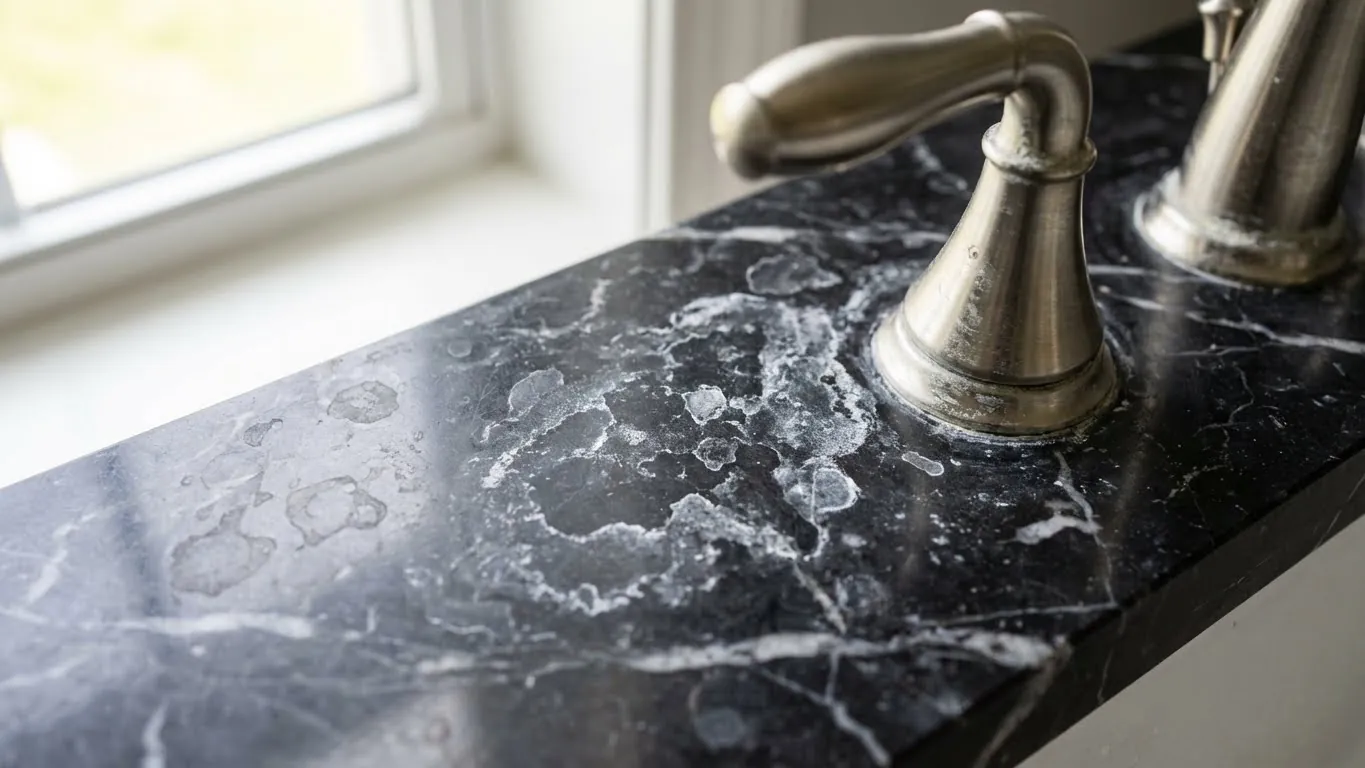
Travertine is in the limestone family and is calcium carbonate-based, which means it is vulnerable to alteration from mild acids, similar to marble.
So your care plan must be stone-safe.
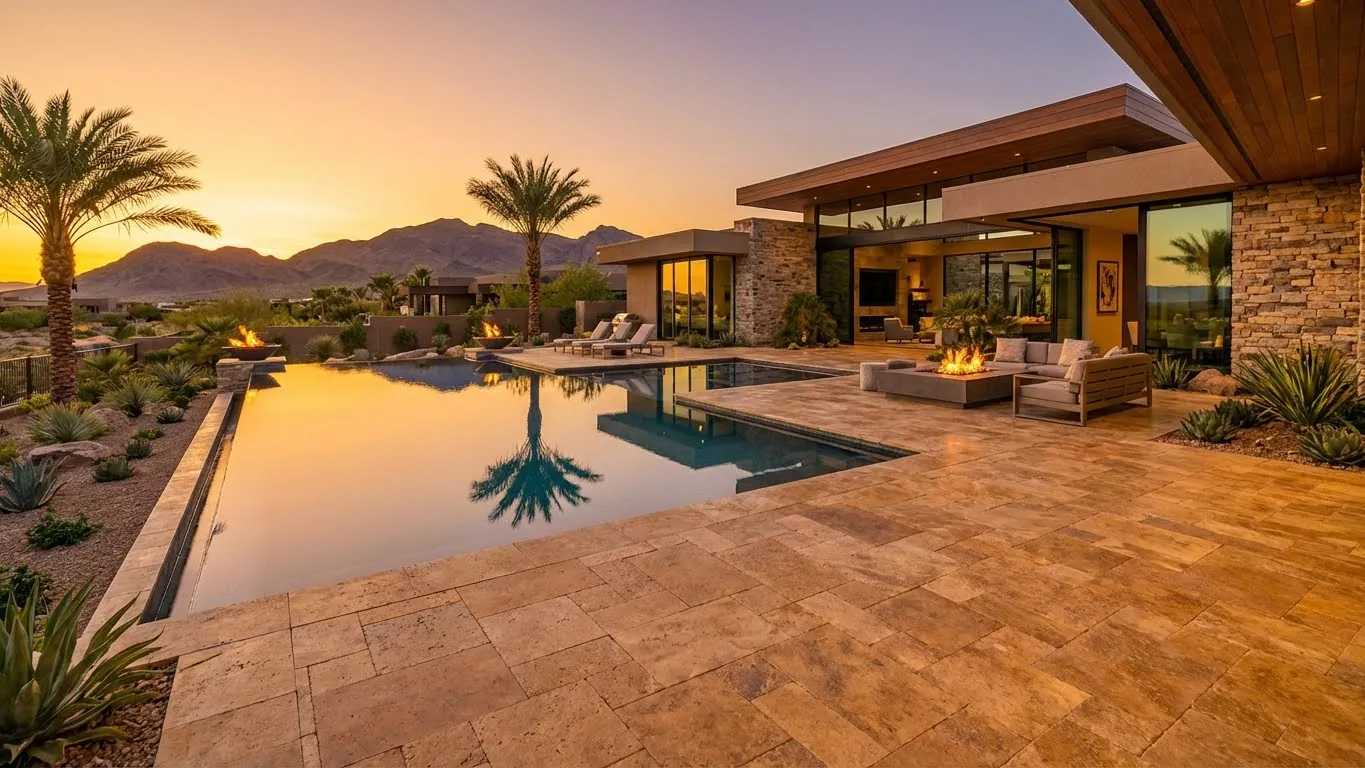
The "Las Vegas pool deck" reality
Three forces hit decks here:
- Evaporation: leaves minerals behind quickly (hard water scale).
- Pool splash-out: repeated water exposure at edges and walk paths.
- Outdoor grime: dust plus moisture equals film and buildup.
Weekly maintenance that prevents the big problems
For outdoor pool/patio/hot tub areas:
- Flush with clear water
- Use a mild bleach solution to remove algae or moss (when relevant)
A practical weekly routine:
- Rinse high-splash zones (steps, coping edges, tanning ledge perimeter)
- Sweep debris so it cannot grind into the surface
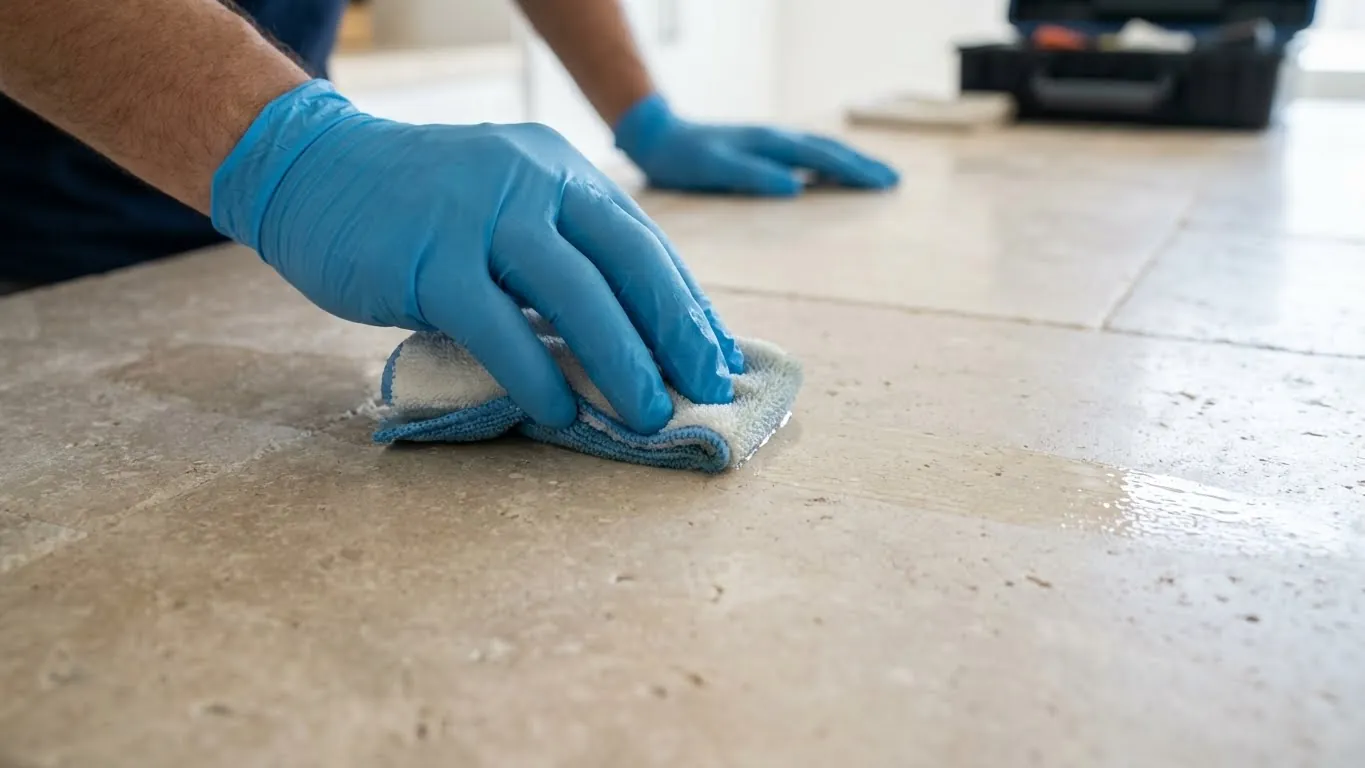
- Spot clean with stone-appropriate neutral cleaning habits
What to avoid around travertine
Because travertine is calcium carbonate-based, avoid products that can trigger surface change (especially anything acidic).
Should you seal a travertine pool deck?
Sealing can improve stain resistance, but be precise about what it does:
These products are commonly impregnators that act as repellents and do not make stone stain-proof.
Sealing is about buying time to clean spills, not making the stone invincible.
Tags:
pool deck travertine outdoor stone UV protection chlorine sealing travertine pavers pool coping