
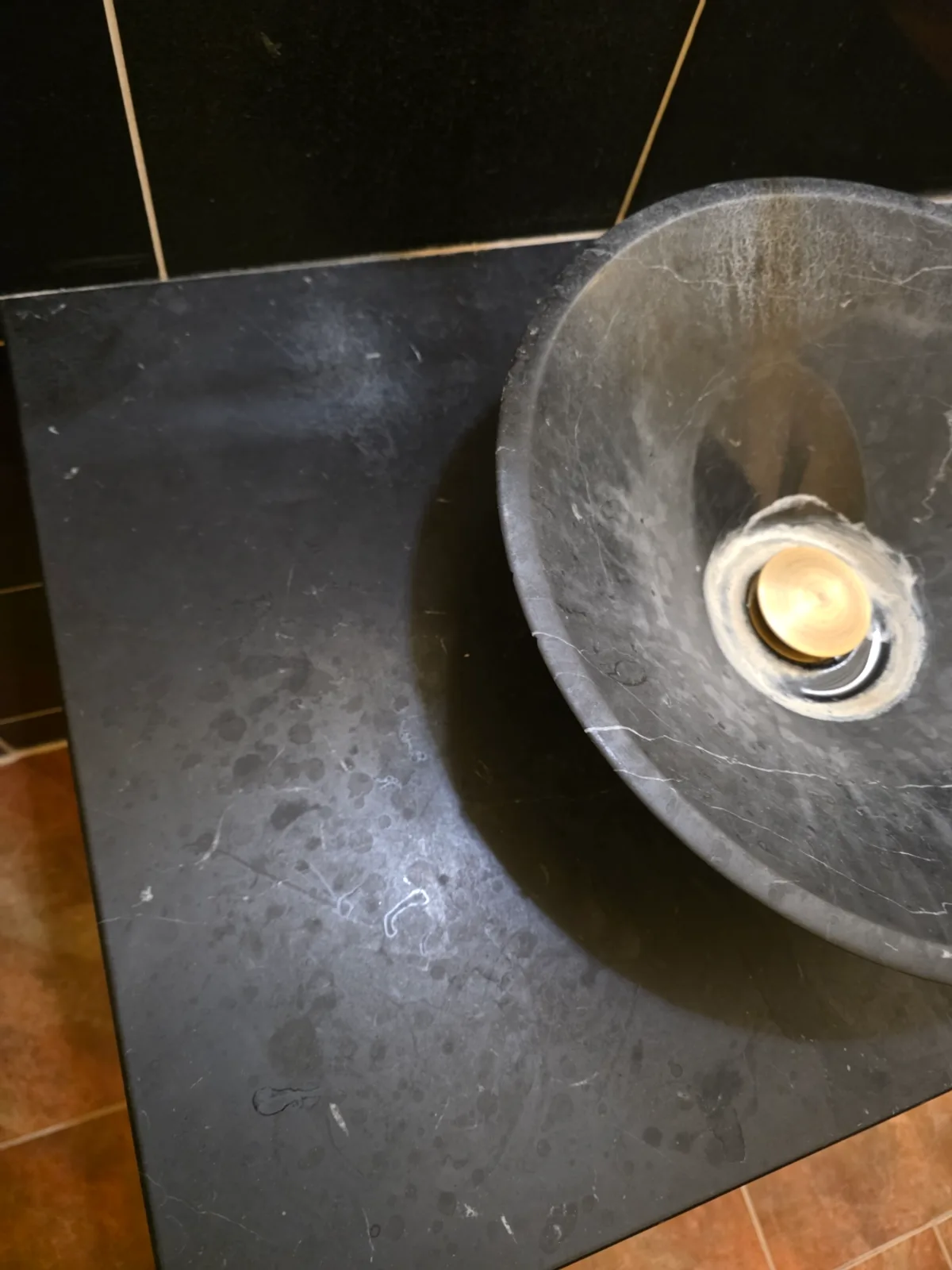
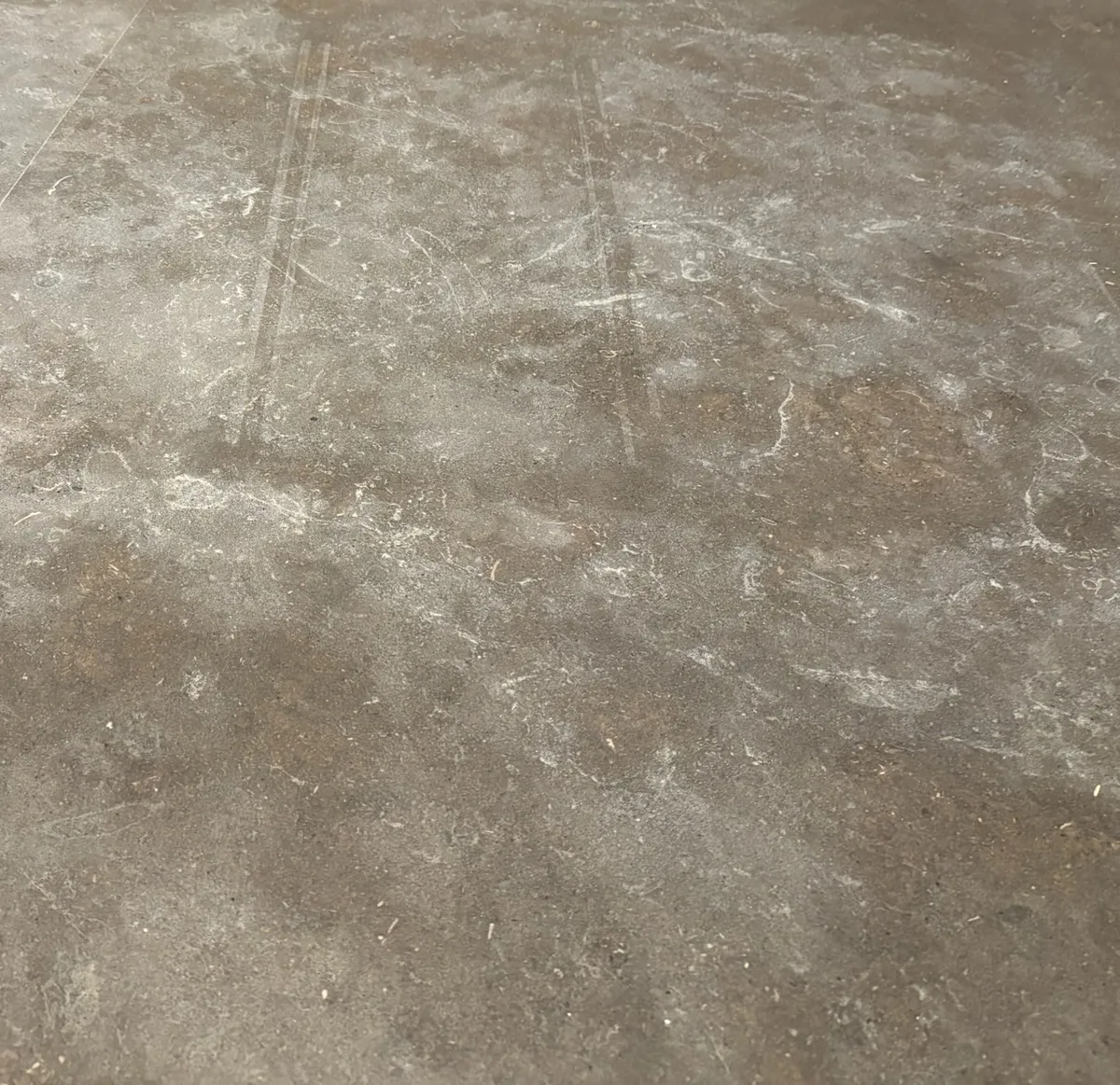
Marble etches because it is mostly calcite, and calcite dissolves in mild acid. Lemon juice, wine, vinegar, tomato sauce, soda, and plenty of household cleaners leave a dull mark the moment they sit on the surface. You cannot change the chemistry of the stone. You can change how often acid reaches it, and how much the marks show.
We restore etched marble in Las Vegas homes every week. Here is what actually works, from free habits to permanent-feeling protection, and where each one falls short.
1. Habits: free, and they cut most etching
- Wipe acidic spills right away. Etching starts in seconds and deepens the longer acid sits. Las Vegas air dries spills fast, which concentrates the acid.
- Use trays and coasters in the danger zones: the coffee station, the bar, the fruit bowl, and the bathroom shelf with perfume and mouthwash.
- Cut on a board, always. Citrus and tomato juice run off the board edge, so wipe around it when you are done.
- Clean with a pH-neutral stone cleaner or mild dish soap and warm water. Vinegar, lemon "natural" sprays, and most bathroom cleaners are acidic.
- Squeegee wet areas. In showers, hard water minerals plus acidic soaps etch the lower walls.
Habits reduce etching. They never eliminate it, because the first second of a spill still reaches the stone.
2. Choose a finish that hides it
A honed (matte) finish does not etch less, but it shows etching far less than a polished one, because there is no shine for the dull spot to contrast with. The Natural Stone Institute makes the same point. If you are choosing or refinishing kitchen marble, honed is the low-stress option. See honed vs. polished marble for the trade-offs.
3. Sealer: worth doing, but not for etching
A penetrating sealer soaks into the pores and slows stains from oil, wine, and coffee. It does nothing about etching, because etching attacks the surface itself, not the pores. Sealed marble still etches on contact. Keep sealing for stain protection; don't expect more from it.
4. Protective films: a full barrier, with trade-offs
A clear film (TuffSkin is the best-known brand) is laid over the stone so acid hits the film instead. It works. The costs are a visible layer with edges at sinks and counter edges, seams on large islands, and a sheet that has to be replaced when it is cut or worn. Some homeowners never notice; others feel like they are living on plastic. We compare it in detail on our TuffSkin alternative page.
5. Etch-resistant coatings: protection that stays stone-like
Coatings are applied as a liquid, so there are no seams or film edges. There are two broad types:
- UV-cured, film-forming coatings. Typically sold as etch-proof and cured on site with UV light. See UV-cured vs. breathable coatings.
- Breathable, bonded coatings like the one we apply. It bonds chemically into the surface, lets moisture vapor escape, and comes in matte or gloss. It is highly etch-resistant rather than etch-proof: everyday spills wipe off without a mark, but an acid left pooling overnight can still reach the stone.
Either way, a coating locks in the surface underneath, so existing etch marks have to be honed out first.
The options side by side
| Option | Stops stains | Stops etching | Main trade-off |
|---|---|---|---|
| Habits | Partly | Partly | Relies on catching every spill |
| Honed finish | No | No, but hides it | Less shine |
| Penetrating sealer | Slows them | No | Reseal every 6 to 12 months on busy counters |
| Protective film | Yes | Yes, while intact | Visible layer, edges, seams, replacement |
| Etch-resistant coating | Yes | Highly resistant to fully, by type | Professional application; restore first |
For a deeper look at the last three, see sealer vs. film vs. coating.
What about the etching you already have?
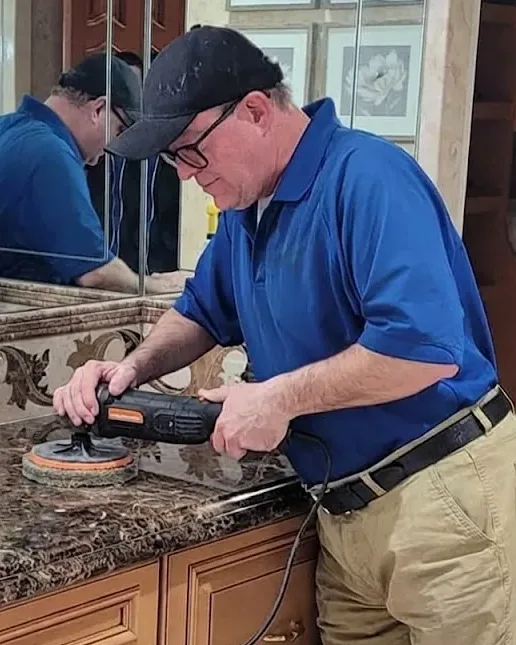
No product removes etching. It is missing stone, so the surface has to be honed just below the damage and polished back up. That is a few hours on a typical countertop. Our marble countertop repair page shows the process, and what etching is explains how to tell it apart from hard water spots.
Our recommendation
- Guest bath or light-use marble: good habits, a pH-neutral cleaner, and a sealer are enough.
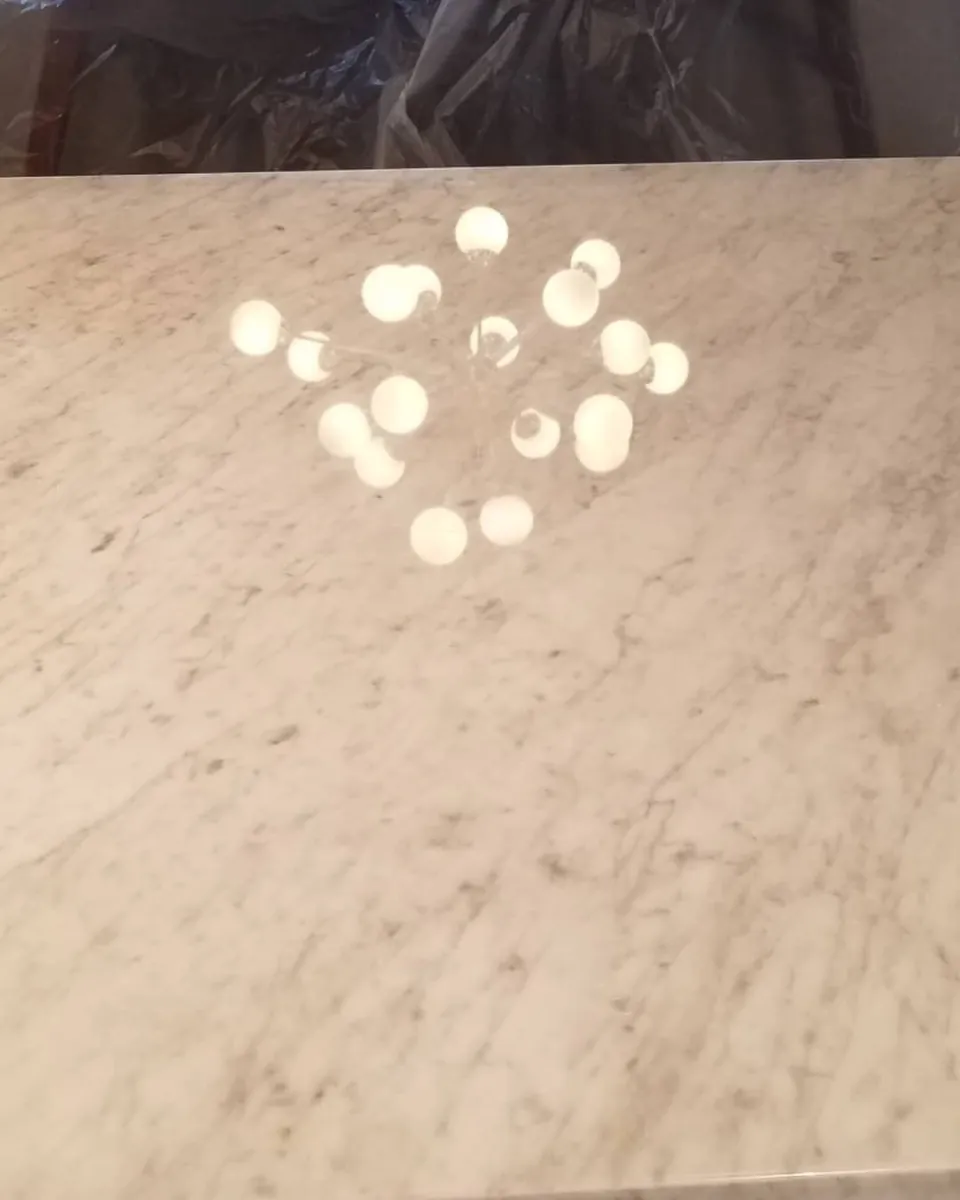
- Kitchen marble you cook on: restore it, then add an etch-resistant coating. It is the only option that keeps the stone looking and feeling like stone while stopping everyday etching.
- Honed marble you are happy to have refinished every few years: habits and a sealer, and call us when it is time.
Frequently asked questions
Can you make marble etch-proof?
Only by covering it with something acid can't get through, like a film or a sealed coating. The stone itself will always react to acid.
Does sealing prevent etching?
No. Sealer slows stains. It does not stop acid from dissolving the surface.
Does honed marble etch less?
It etches the same, but the marks are much harder to see.
Do quartz countertops etch?
Quartz does not etch like marble, but some builder-grade quartz rings, dulls, and stains from harsh cleaners and heat. If yours is marking, it can be repaired and coated.
Want a straight answer on your counters? Send us a photo and we will tell you what can be restored and what protection makes sense.